
Reading Time: 7 minutes| Who This Blog Is For: This blog is perfect if you’ve been searching for why TMJ is getting worse, wondering about TMJ causes and triggers, or noticing the frustrating overlap between TMJ and neck pain. As you read each section, you will better make sense of what your body may be doing—and when it may be time to speak with a TMJ chiropractor in Knoxville.
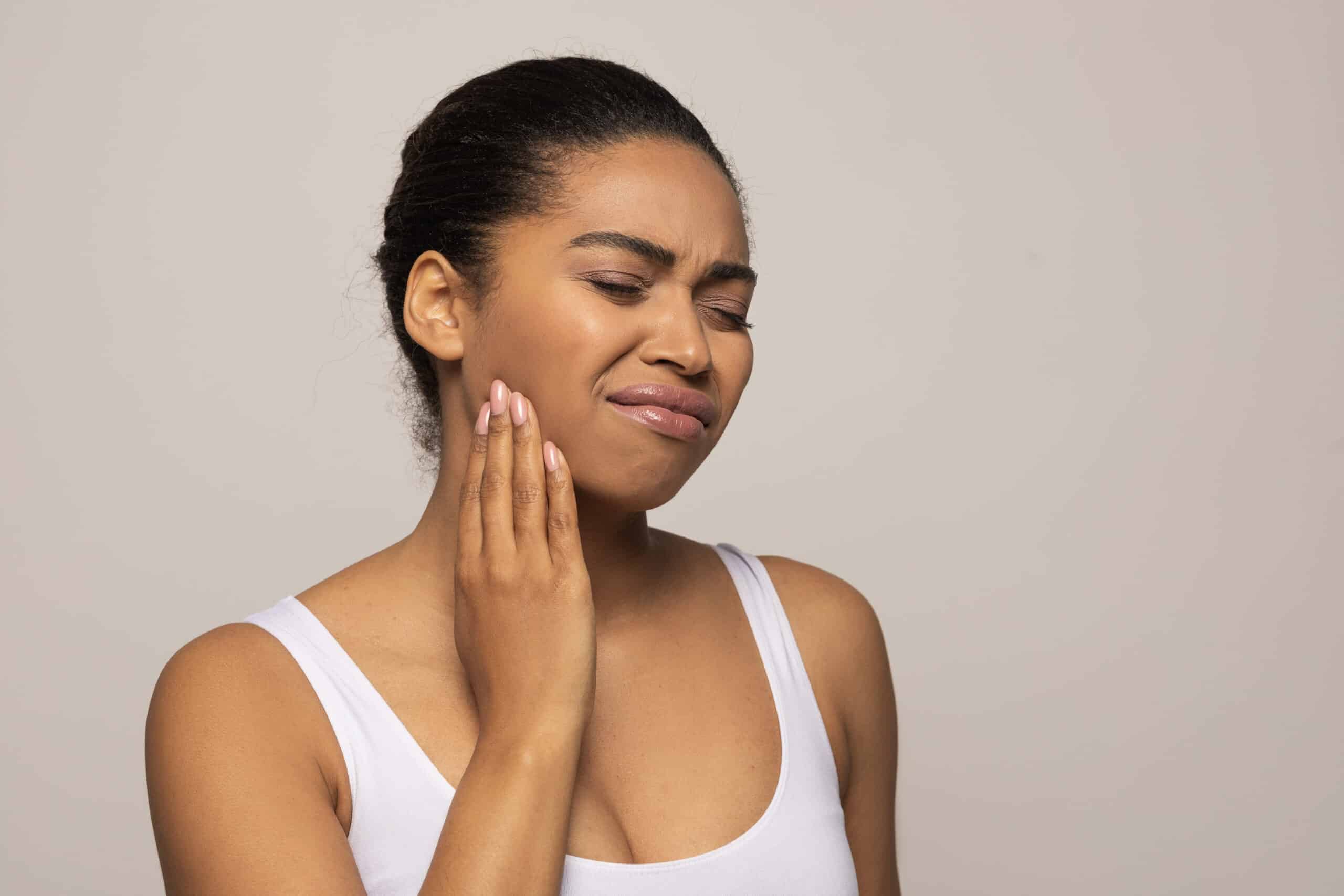
Have you noticed yourself becoming more careful with your jaw lately?
And maybe the most frustrating part is this: You can’t always explain why it’s happening and you just know it’s starting to affect your everyday life.
Some days it feels mild—almost manageable. Other days it feels like your jaw is “on edge” from the moment you wake up.
If you’ve been wondering why TMJ is getting worse, you’re not being dramatic. You’re not overthinking it. You’re noticing patterns that your body has been trying to compensate for quietly—sometimes for years.
And the longer those patterns go unaddressed, the more your jaw has to work overtime just to help you get through normal life.
That’s why this blog matters.
Because TMJ isn’t always just about the jaw.
It’s often about what your body has been doing behind the scenes to keep functioning—until it can’t compensate the same way anymore.
When TMJ symptoms start getting worse, most people do what any reasonable person would do:
But here’s what doesn’t get said enough:
TMJ rarely worsens because you’re doing something wrong.
It often worsens because your body has been working too hard to “manage” what’s off balance.
That’s where compensation comes in.
Compensation is what your body does when it feels strain—but still needs you to function.
It’s the small, almost invisible way you adapt when something doesn’t feel stable:
At first, compensation feels like it’s helping because you’re still getting through your day, eating, talking, working, showing up.
But over time, the cost builds.
And this is often the moment people start asking, “Wait… is this why TMJ is getting worse?”
Because the jaw becomes the place where tension lands. The place where stress gets stored. The place where your body tries to stabilize—even when it shouldn’t have to.
This is also why TMJ and neck pain so often show up together. The jaw doesn’t exist in isolation. It’s part of a bigger system—one that includes posture, the upper neck, and how your nervous system manages stress.
That’s why many people start exploring care with Knoxville chiropractors, not because they’re chasing a quick fix, but because they want someone to look at the full picture.
And for some people, that full picture includes exploring upper cervical care in Knoxville, especially when jaw tension seems to be connected to atlas misalignment.
If you’re seeking Knoxville chiropractic care for TMJ-related symptoms, you deserve more than quick reassurance.
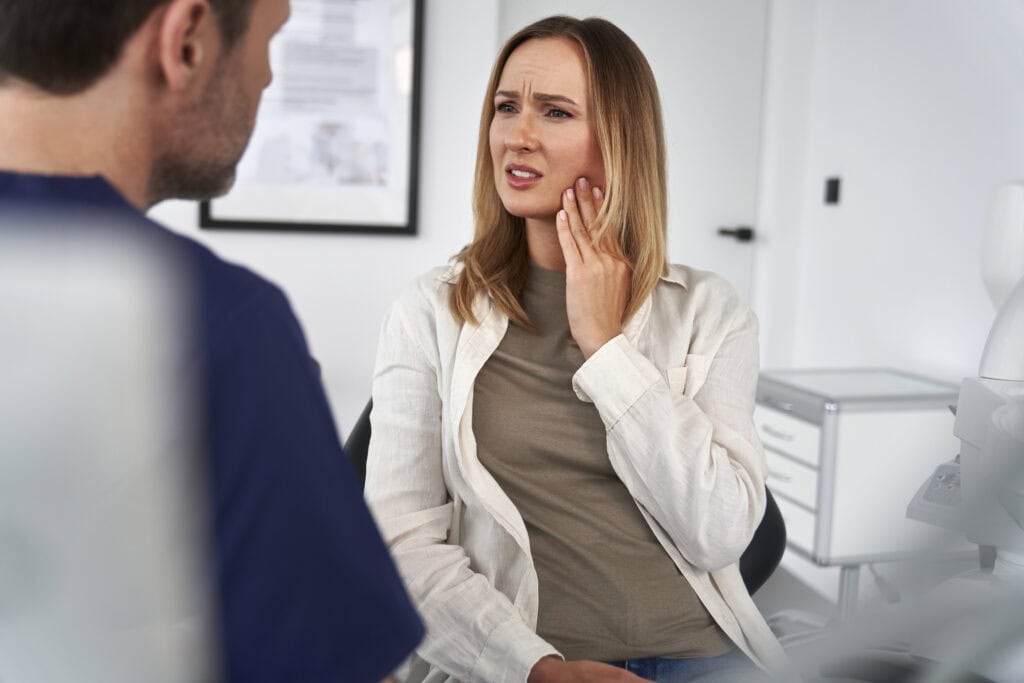
A thoughtful consultation and evaluation should include:
When you begin to understand what your body is doing, something shifts. You stop blaming yourself, stop feeling crazy, and finally feel like you have a way to step forward.
Remember: sometimes, the first real relief is finally hearing:
“You’re not overthinking this. And we can look at it differently.”
Schedule your consultation with our Knoxville chiropractors today!
1) “Why does my TMJ feel worse when I’m stressed—even if nothing else changed?”
Because stress often changes how your body stabilizes. Many people clench, brace their shoulders, tighten the upper neck, or hold their breath when under pressure. The jaw becomes part of the body’s stress response, not just a joint.
2) “What if I don’t have jaw pain all the time—just clicking and tightness?”
That still matters. Clicking, tightness, and restricted movement are often early signs your jaw is compensating. Many people seek help before it becomes constant pain, which can be a very proactive choice.
3) “Can TMJ really be connected to my neck and shoulders?”
Yes—very often. The jaw and neck are mechanically and neurologically linked. That’s why jaw symptoms commonly travel with base-of-skull tension, stiff shoulders, and headaches that start in the upper neck.
4) “Why do I feel like I’m chewing differently now?”
Your body is smart. If one side feels safer or less irritated, you may subconsciously favor it. Over time, that can reinforce imbalance and strain. It’s a common compensation pattern—and it’s not your fault.
5) “I’ve tried being mindful and relaxing my jaw… why does it keep coming back?”
Because the issue often isn’t just awareness—it’s the pattern underneath it. If posture, upper neck strain, or muscle imbalance is keeping your body in compensation mode, relaxing the jaw may not be enough by itself. Your system may need structural support.
To schedule a consultation with Transcend Chiropractic, call our Knoxville office at 865-448-7933. You can also click the button below.

If you are outside of the local area you can find an Upper Cervical Doctor near you at www.uppercervicalawareness.com.